Dialectics of Prabowonomics: Between Global Investment and Resource Sovereignty
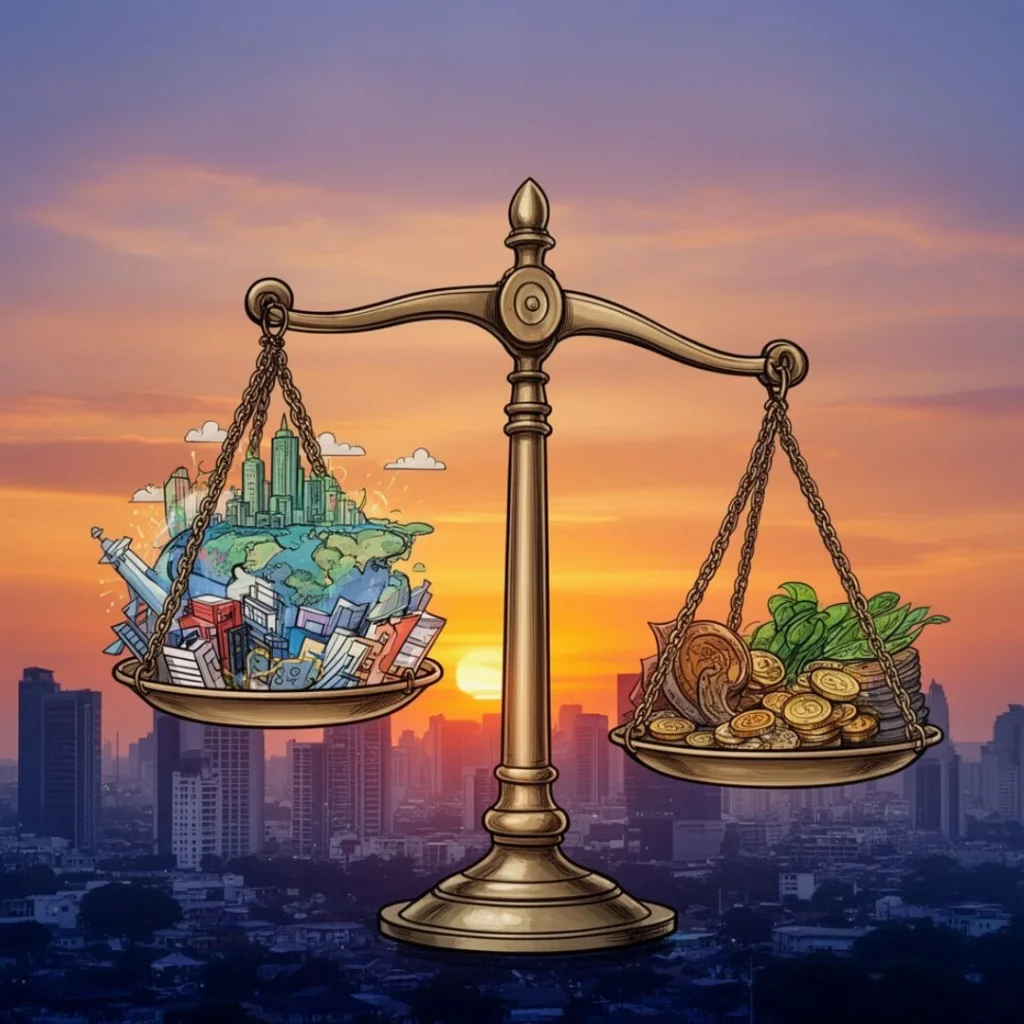
HapiIndonesia.com - Dialectics of Prabowonomics : Between Global Investment and Resource Sovereignty.
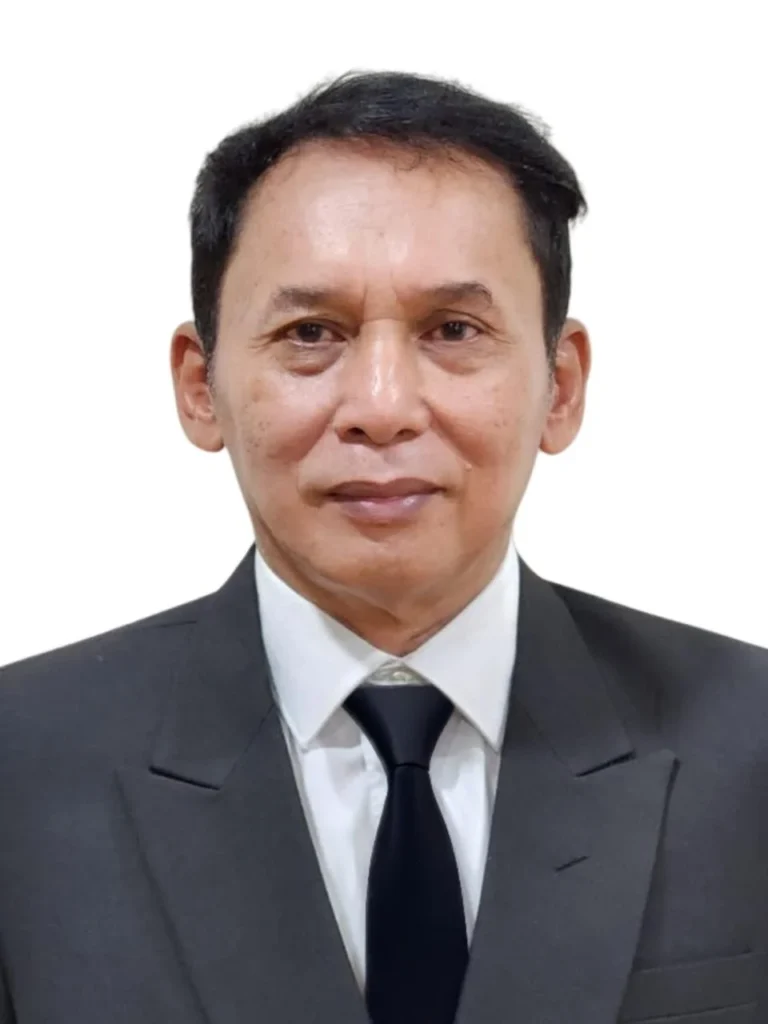
By: Dr. Muhd Nafan, S.H., M.H.
Vice Chairman of Central Leadership Council of the Indonesian Advocates Association (DPP HAPI)
The early days of 2026 present a striking paradox for Indonesia. At the World Economic Forum (WEF) in Davos, President Prabowo Subianto presented “Prabowonomics”—a grand vision for a rising middle power in a multi-polar world. Yet, at domestic dinner tables, the conversation centers on volatile food prices and rising electricity bills. This gap between the “beacon of growth” narrative in Switzerland and the lived economic anxieties at home represents the fundamental structural challenge defining this administration.
This discrepancy is more than a branding issue; it is a test of economic statecraft. In an era of global trade fragmentation and energy shocks, Prabowonomics attempts to bridge market openness with domestic welfare protection. This “third way” posits that national security and economic policy are now inextricably linked. Should the government fail to reconcile these two poles, the Davos address risks being remembered as mere economic poetry rather than a transformative force for the people.
Success will not be measured by the applause in the Alps, but by the tangible reduction of poverty and the resilience of domestic purchasing power. The crucial question is whether this architecture can help Indonesia escape the “middle-income trap” while insulating the populace from external shocks. To understand the nation’s trajectory, we must look beyond the stage into the core pillars of this emerging doctrine.
Rural Economic Vibrations
At its core, Prabowonomics signals a shift from hardware-heavy physical infrastructure to “biological and cognitive infrastructure.” The “Free Nutritious Meals” program is the cornerstone of this shift. Often dismissed as populism, it is a strategic “prepaid investment” in human capital. As noted in the World Bank’s Human Capital Index 2025 report, human capital quality determines 60 percent of a nation’s long-term economic growth. By addressing stunting today, Indonesia aims to curb future fiscal burdens and elevate labor productivity for an automated future.
For this initiative to be sustainable, it must galvanize the rural economy rather than enriching centralized distributors. According to data from the Indonesian Central Bureau of Statistics (BPS) in early 2026, agriculture remains the largest but least prosperous employment sector. The solution lies in creating “closed-loop” ecosystems where school meals are sourced directly from local smallholders via digital platforms. If integrated correctly, this creates a massive multiplier effect: nourishing the next generation while turning a social cost into a rural revitalization engine.
This human transformation must be supported by equitable digital education to prevent a “digital caste system.” Prabowonomics addresses this through school renovations and expanding satellite internet to remote regions. As highlighted in the Global Education Review 2026, digital adaptability is vital as Indonesia shifts toward high-tech sectors. By empowering small and medium enterprises (SMEs) through these networks, the doctrine seeks to stimulate a ground-up resonance where village prosperity supports urban stability. Without this rural base, the goal of 8 percent GDP growth remains a mathematical abstraction.
Value Added Escalation
The second pillar is the radical transformation of state asset management through BPI Danantara. This Sovereign Wealth Fund (SWF) model departs from fragmented state-owned enterprise (SOE) management toward a consolidated, professional approach. Similar to Singapore’s Temasek, Danantara seeks competitive returns while asserting national economic sovereignty. By optimizing underutilized assets in banking, energy, and logistics, Indonesia aims to break its foreign debt dependency and create a “national war chest” independent of international bond market whims.
Through Danantara, Jakarta gains a strategic lever for sectors like renewable energy and mineral downstreaming. While the WEF 2026 highlights Indonesia as a global EV battery linchpin, Prabowonomics demands escalation into the maritime and agricultural “blue” and “green” economies. The Bali Ocean Impact Summit exemplifies this, seeking high-value investments in sustainable biotechnology and traceable fisheries. This escalation aims to move Indonesia from being a raw ingredient supplier to a provider of finished, high-tech global solutions.
The inherent risk in this consolidation is state monopoly or a lack of transparency. A constructive solution involves blockchain-based integrity audits and digital public oversight. Global market confidence depends on “legal hygiene”; international investors seek legal certainty as much as fiscal incentives. If Danantara operates under international transparency standards, foreign capital will flow without sacrificing strategic assets. This is the essence of sovereignty in an interconnected world: being strong enough to set the terms of engagement.
Ultimately, the efficacy of Prabowonomics depends on the consistency between Davos proclamations and ground-level execution. Grand narratives must not be eroded by bureaucratic inertia or inter-agency silos. Synchronizing policy from Jakarta to the village councils is essential to ensure economic benefits reach those struggling with the cost of living. Public support—the most volatile political capital—can only be maintained through stable food prices and dignified employment for the youth.
Prabowonomics is a long-term roadmap demanding immense political courage. The immediate task is to strengthen data-driven social protection to ensure subsidies are precisely targeted. By combining strategic investment power with the elevation of human quality, Indonesia can transition from a spectator to an architect of the new global economic order. The goal is a nation that is inclusive at home and influential abroad—one that has claimed its economic independence.
Berita Hukum ini merupakan bagian dari kategori Berita Hukum HAPI.